Blog: 2006 Japan Training Trip
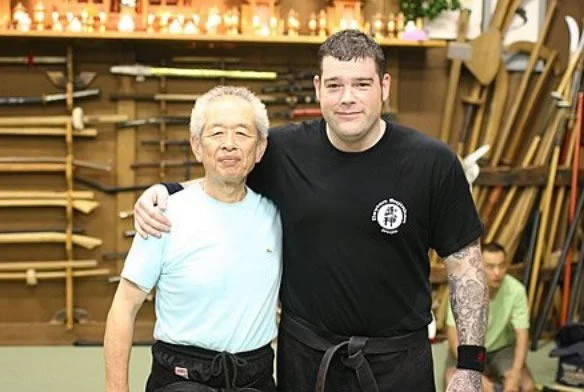
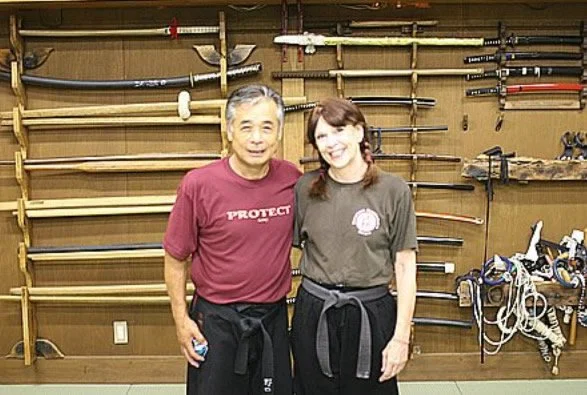
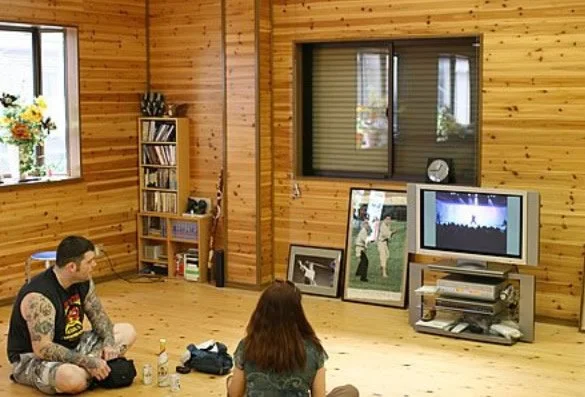
In August 2006, a group of Dayton Bujinkan Dojo students and friends were in Japan to train with Hatsumi Soke and the Bujinkan Shihan. Below are photos and notes from the trip.
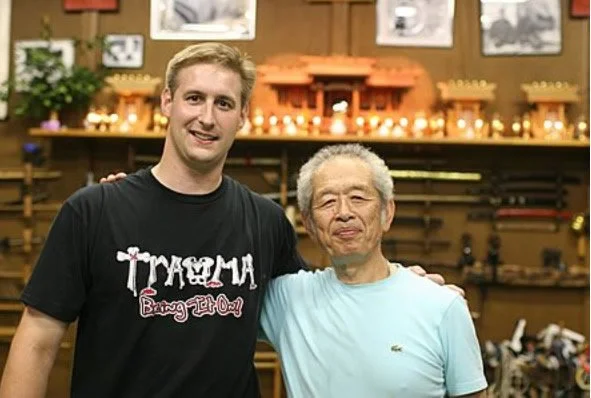
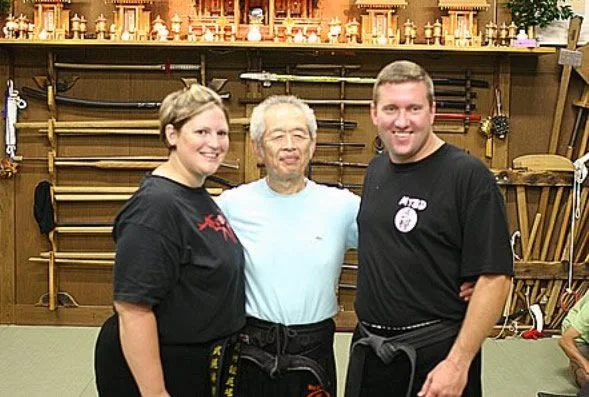
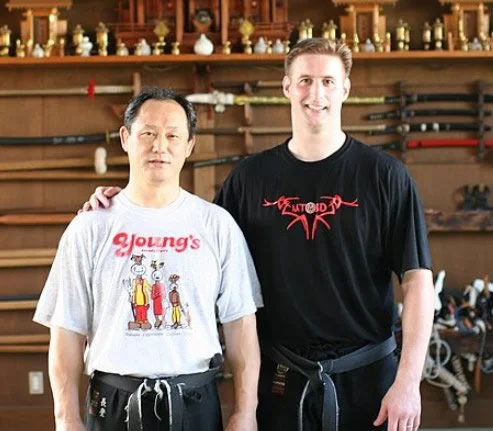
(The following post is a condensed version of Jeff’s full, detailed trip journal.)
Soke taught from the Shinden Fudo Ryu. “There are no kamae in Shinden Fudo Ryu. There are no kihon either. Everything exists from nature.”
Soke said “It is not a sixth sense, or a kind of sixth sense. It is not ESP. It is the E of ESP.”
Soke Said “Study the uncommon ways. Common techniques may get you killed.”
Soke commented that you control the uke using uncommon sense, or natural sense, not common sense, or ‘human repetitious’ common sense. Essentially, if you push an uke down, they will apply pressure up. You can either fight their pressure – so the strongest wins – or you can take that pressure, and allow it to expand naturally, manipulating it. As the uke reacts (or acts) to the new situation from expanding their energy naturally, you are already 2-3 steps ahead, leading them down a path.
Tricking an opponent into thinking something will happen is the basic level. For example, let them commit to a throw, and then move to reverse it, or disbalance. Soke is now showing the next level as part of training this year (2006). He is allowing the uke to not only think that something will happen, but is in fact making them feel like it did – and as they feel it, he does something else. Their “common sense” says “he just uke nagashi’d my punch” when in fact Soke never did at all, he simply took a little bit of balance. As the next punch comes, a little more balance might be taken, chipping away at what the uke thinks are successful attacks. Until he falls, and doesn’t understand why.
Soke explained that this is the basics of understanding Soke’s Shinden Fudo Ryu. And why it is all about nature, at a very high level with multiple dimensions. You must understand the kihon very well and do them to “play” with this level.
Pam passed her Godan test.
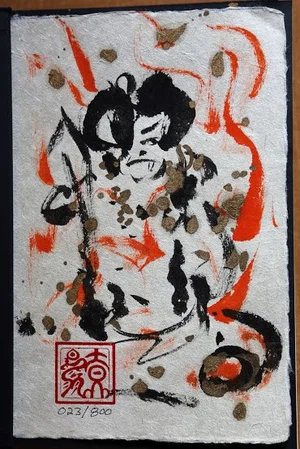
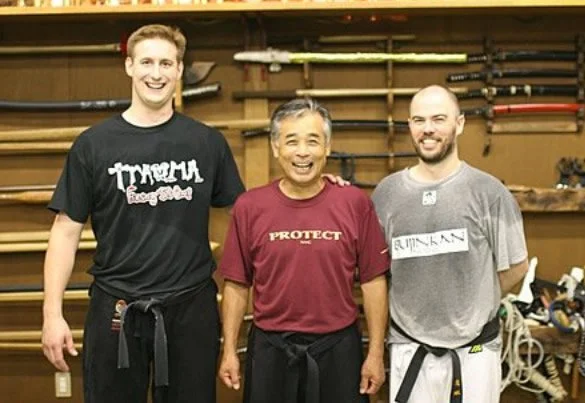
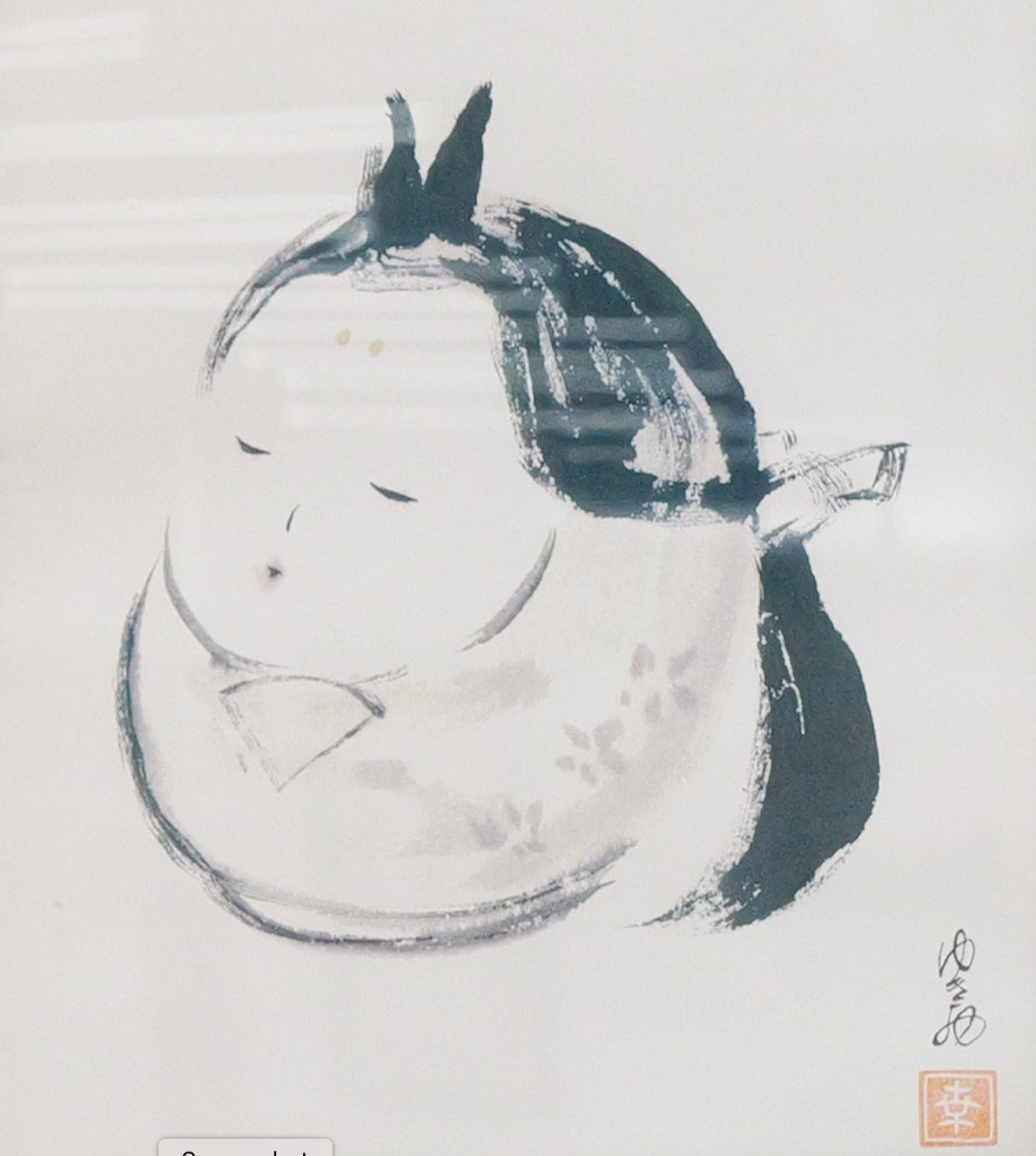
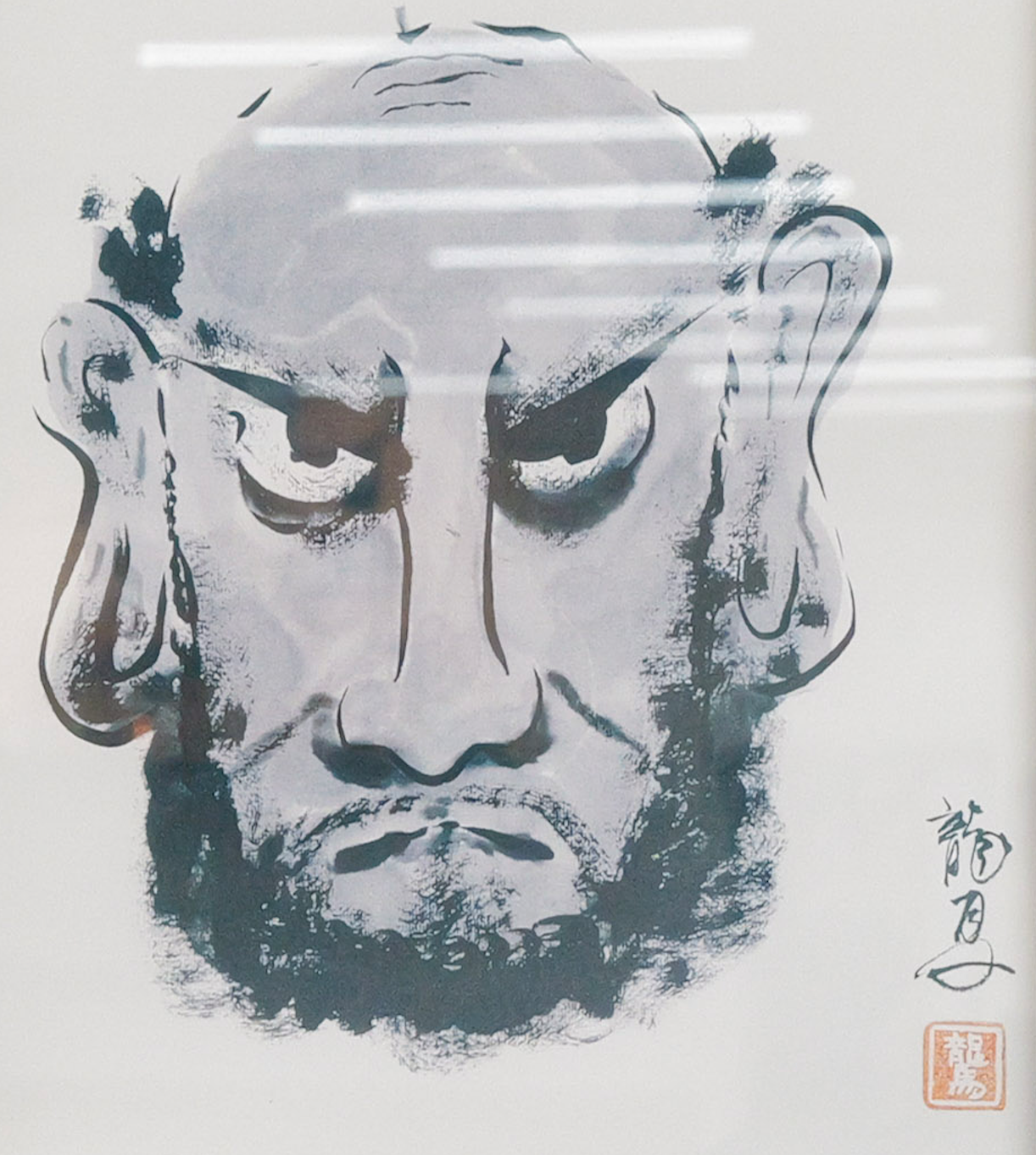
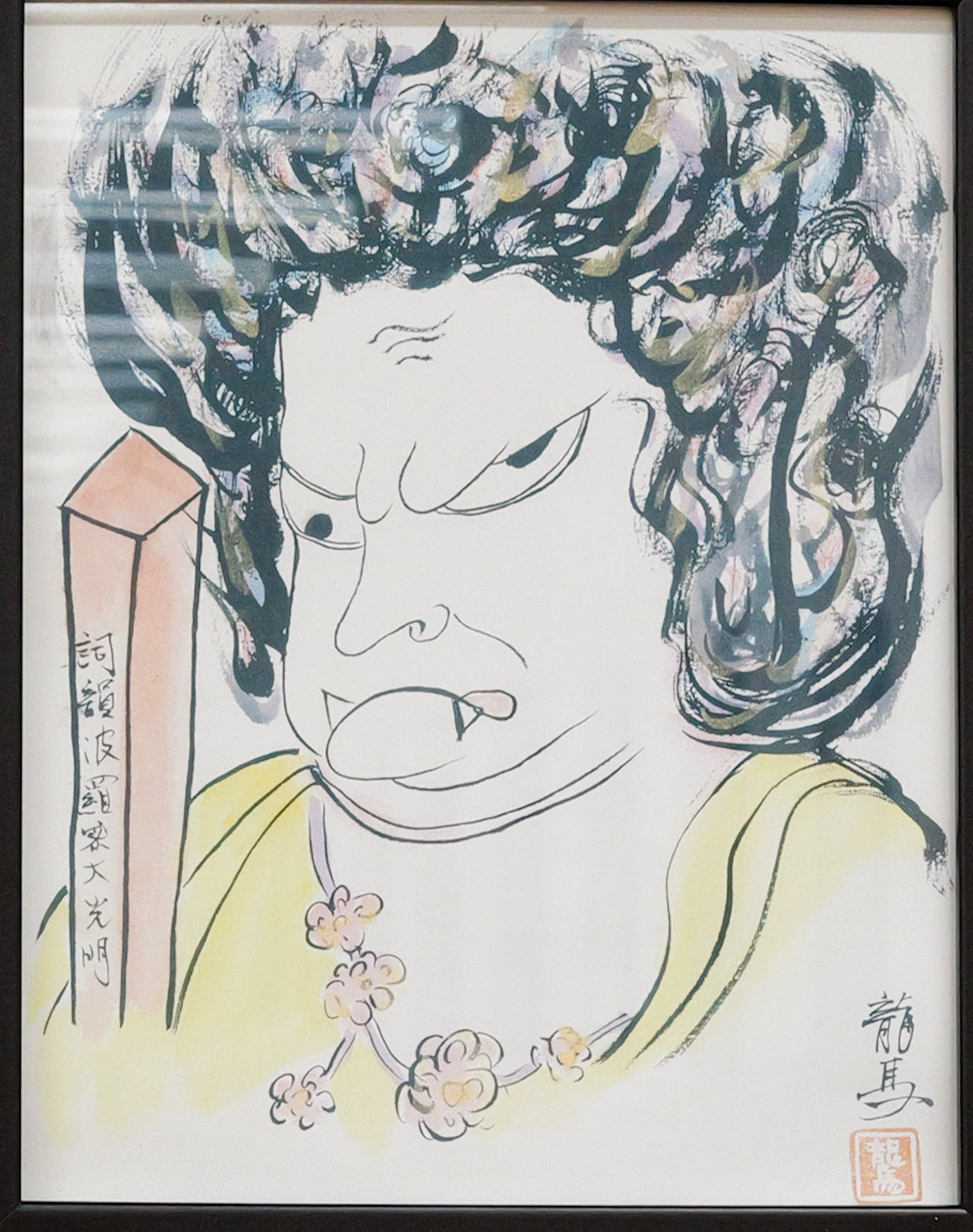
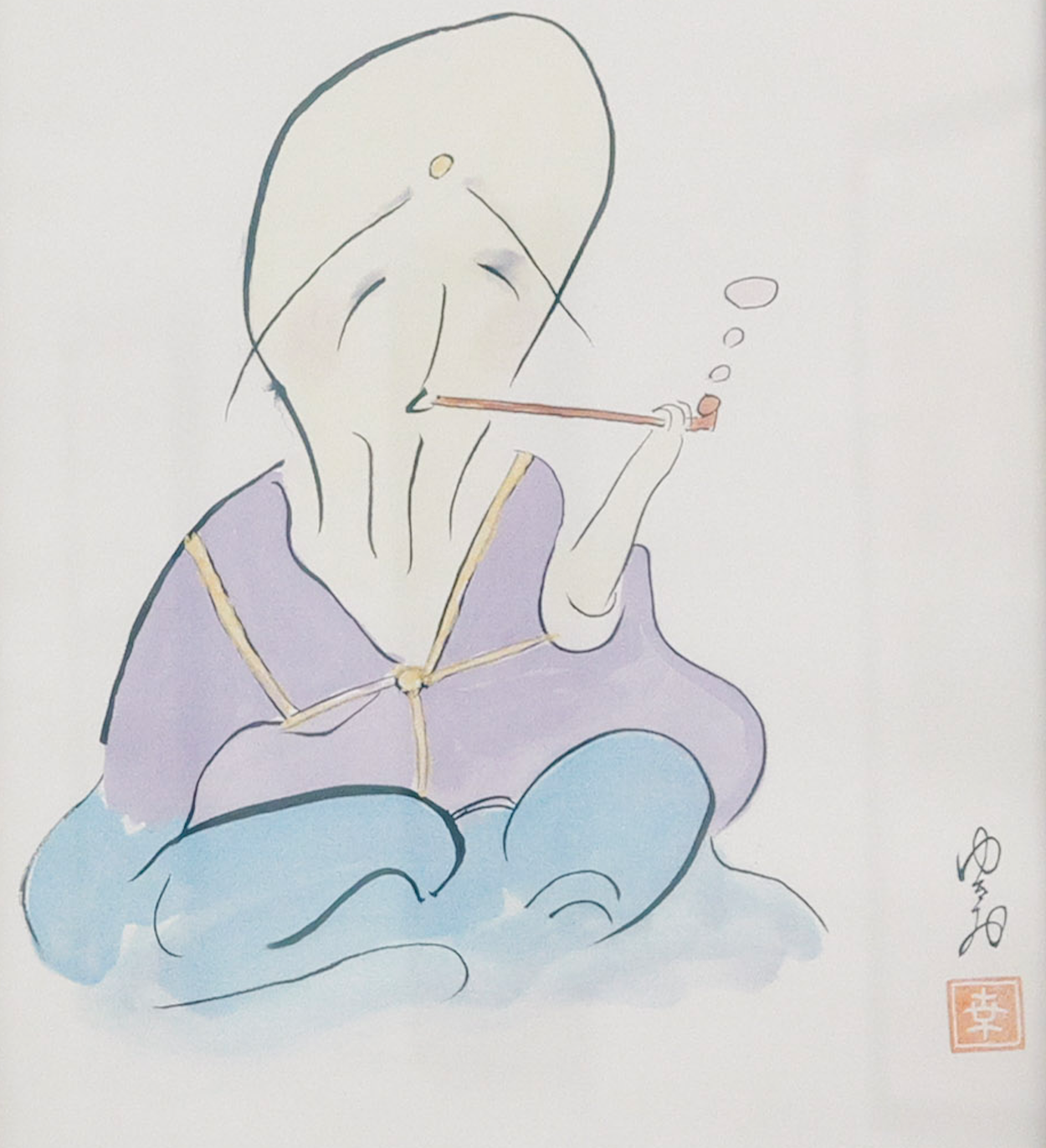
Noguchi Sensei is 65 years old this year. He looks great and is moving very well. We spoke about past years’ training. Peggy shared that she first met Noguchi Sensei in 1984 in San Diego during a Stephen K. Hayes Shadows of Iga seminar. Noguchi commented that times have changed since then. The training is the same as it has always been, but students are learning better now. Study taijutsu with the mentality of improving, but not to get injured. Noguchi Shihan gave us four paintings that he created for our dojo.
Class was very hot, in the mid 90’s in the dojo, and Noguchi Sensei had us take a break half way through class.
Noguchi Sensei stressed striking in ways that the uke can not see.
Noguchi Sensei commented the other day that the training with Soke has not changed in 30 years – Soke has gotten better, but the same ideas keep manifesting themselves. It’s a natural progression.
A long-time resident of Japan conversed with us after class how important the nuances of the Japanese culture are to understand. A direct “no” is not a concept that exists in this culture, and because of it, people do things that they think are okay when they are actually disrespectful.
Nagato Sensei began class at hombu saying he was focusing on the Gyokko Ryu to learn the essence of the Bujinkan. This was told to him by Soke so that he could understand the Shinden Fudo Ryu (this year’s theme).
Nagato Sensei taught Tai Ken. His execution of it is very powerful and scary.