Blog: 1997 Japan Training Trip
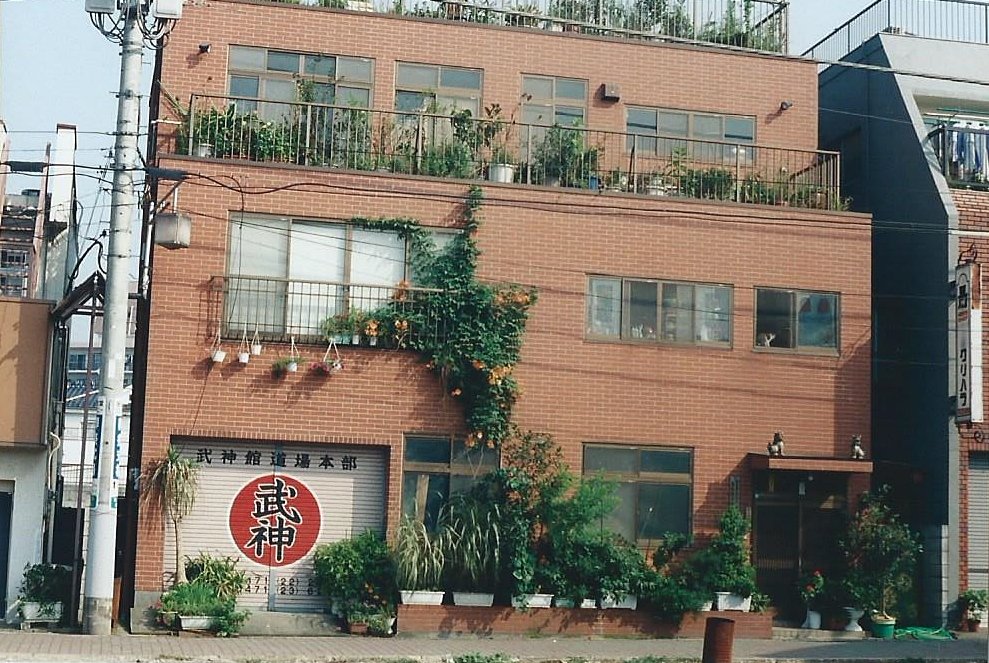
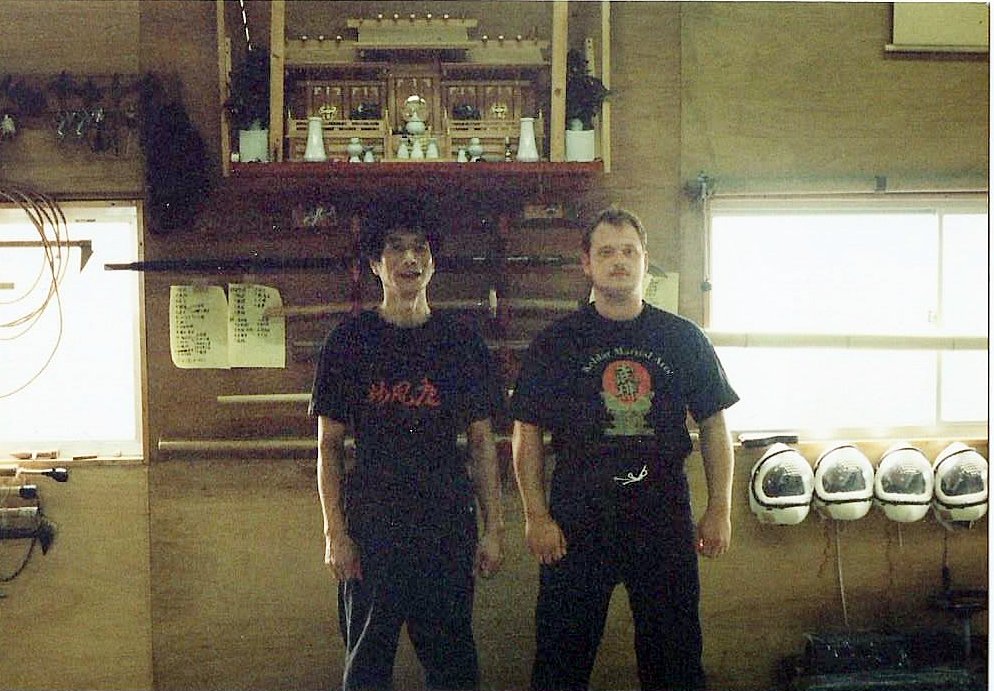
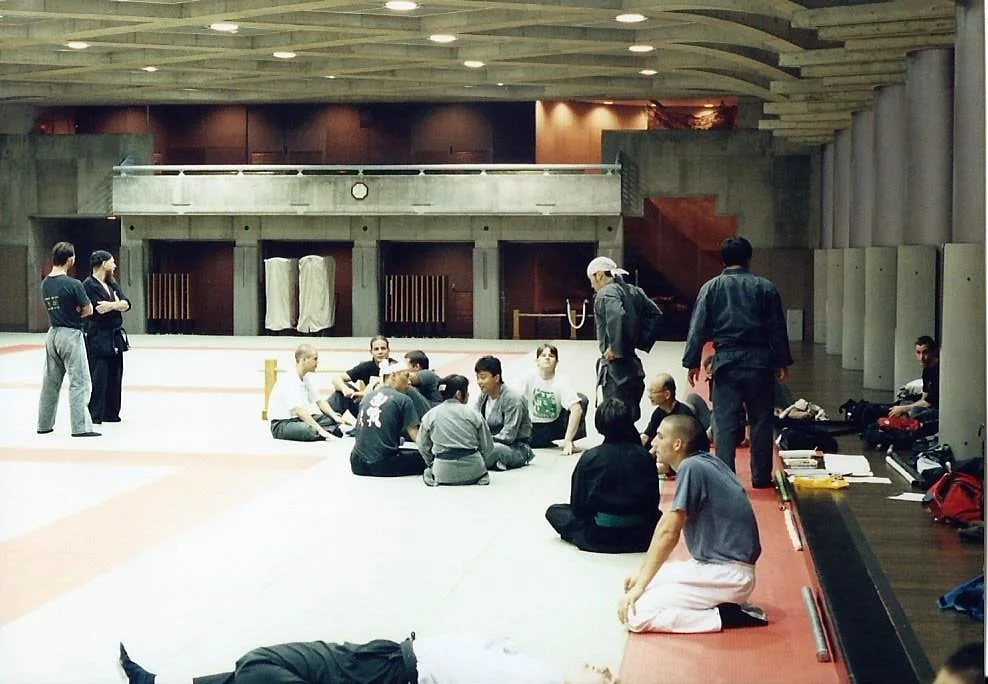
From August 21 to September 2, 1997, Kurt Rittenhouse, Dan Klug, and Jeff Ochester visited Japan for training and sightseeing. Both Kurt and Dan had been to Japan a dozen times. This was Jeff’s first trip. Classes were attended by Hatsumi Soke, Nagato Sensei, Noguchi Sensei, Shiraishi Sensei, and Muramatsu Sensei. The Bujinkan Hombu had recently completed construction but was not yet “officially” opened until later in September. Soke taught at the hombu but all other classes were held at the Shihan’s personal dojo. Below are photos and summarized notes from the trip.







(The following post is a condensed version from Jeff’s full, detailed trip journal.)
On our first day in Japan, Kurt brought us to Soke’s home. Soke welcomed us in and gave us snacks. Someya Sensei was also meeting with Soke. We gave Soke gifts of rice wine and chocolates from the US. Soke had an owl and dogs in his office area. He brought out a ninja-to and Kukishin-to for us to examine. Soke showed how to draw the swords differently in his office hallway using Kurt as uke. Soke’s draw was very quick. Soke also showed us an old bo staff with rings on it.
Soke used Nagato Sensei as uke for nearly the entire class, and occasionally Shiraishi Sensei. Anthony Netzler (sp?) was the translator. Before class ended, he had everyone show something from the day. I trained with Kurt, and Dan partnered with Nagato Sensei for the class. We learned Nagato Sensei was 51 years old during tea break discussions with him. He looks very young and muscular.
Soke told us because it is hot, to train our age. If we are warm, take a break. If we are old, rest. Because the hombu had no ventilation, Soke had everyone take the windows out to increase ventilation. There were no fans or air conditioning yet. Those were being installed later in the month. The hombu smelled brand new.
Soke worked on seiza and fudoza. He explained there are countless variations to fudoza no kamae to exlore. It is not a static kamae.
Soke commented that he has been teaching form up to now and he has seen too much bad form for fighting. He explained that deep postures and strict form are good basics to learn but will not work in a real fight. Loosen up and don’t stick to form. This was for godan students or higher.
Soke explained again that the Shidoshi should become better. Those that work only their basics (Godan or higher) are losing their edge with ninjutsu. Don’t work on form so much, it won’t work in a real fight. “People who work on form too much don’t understand my art”. Let it flow once you have seen the Kihon Happo.
Soke, Shiraishi Sensei, and Noguchi Sensei taught many jo staff techniques. Soke showed how to place the staff as a pivot point to move around so that the uke can’t counter your taijutsu. Soke reminded us to use our feet to control the jo staff, not our hands. “Timing with the jo is very important.”
Soke commented “Don’t try to grab the attack or move toward your attacker’s attack, go to his empty space he creates around him when he attacks.” and “Think of ice and water, when the ice melts it goes around the substance it’s on, much like finding an empty space.”
Soke explained: ““I am not trying to teach waza, I am trying to teach an idea. This is learning for Godan and higher. In a real fight, there is no form or posture, everything is natural. You must learn that each attacker will be difficult. Then from your inside create the defense, depending on how long or short his arms, legs, etc. are. Move naturally into his empty space. This is not something I can teach, you must feel it.”
Muramatsu Sensei had us do many drills with a glass bottle from a rope to evade with minimal movement, and holding two water jugs with 6-8 inch diameter opening at the top to increase forearm strength. For tai sabaki, he made us move from Jumonji to Ichimonji to hicho without our hips rising up. Very low posture.
Nagato Sensei taught at a recreational center. The floor was very hard and had a circle in the middle. He taught tantojutsu and stressed the importance of footwork (keeping our feet under us without taking large steps).
Noguchi Sensei taught Takagi Yoshin Ryu at his dojo. He stressed to go to where the attacker isn’t to execute the Kihon Happo. Attack the kyusho points. Mike Loonam translated. Noguchi Sensei proudly said Mike was very good and was his “6th year student” (had been training with Noguchi Sensei while living in Japan for the past six years).
We visited Nikko, Ueno, Narita, Kashiwa, Shimizu Koen, Noda, Atago, and Tokyo Palace between training.
While visiting a McDonalds for lunch, some children were very surprised at how tall I was. Parents came up to Dan Klug and I and asked for a picture. They were very appreciative. We did our best to thank them in Japanese.
We spent most evenings after training eating at Ichi Dai Restaurant. Kurt knows the owners from previous trips.